
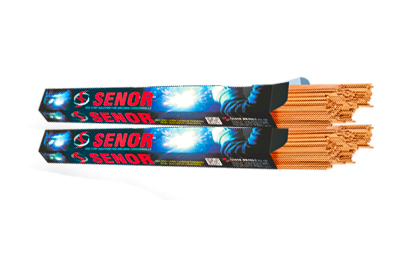
In the brazing industry, performance complaints are not uncommon. However, it is critical to distinguish whether the root cause lies in the material supplied or in the application process. This distinction becomes especially important when the same product performs consistently across global markets but faces challenges in specific cases.
This article clarifies the technical boundary between material compliance and end-use execution, particularly in the context of brass brazing consumables.
1. Material Quality: Defined by Standards
The quality of any brazing material is not subjective—it is objectively defined through agreed standards( eg AWS, IS, EN or other) between the manufacturer and the buyer. These standards specify:
- Chemical composition (e.g., copper, zinc proportions)
- Mechanical properties (e.g., TS , Impact )
These parameters form the basis of acceptance.
Once a material conforms to these predefined requirements and is supported by test reports , it is considered technically compliant and suitable for use in brazing applications.
2. Scope of Manufacturer Responsibility
From a technical and contractual standpoint:
The manufacturer’s responsibility is fulfilled once the material supplied meets the agreed chemical and mechanical properties.
At this stage:
- The material is verified against standards
- Compliance is documented through testing
- The product is fit for intended use, assuming correct application
3. The Dual Nature of Brazing Performance
Brazing performance is governed by two independent but interconnected domains:
- Material compliance → determined by metallurgical properties and adherence to specified standards
- Process execution → controlled by thermal conditions, surface preparation, and operator technique
Once material compliance is established and validated, the variability in brazing outcomes typically originates from process inconsistencies rather than material deficiencies.
4. The Critical Role of Application Variables
After compliant material is supplied, brazing performance depends primarily on application control.
Key influencing factors include:
- Welder/operator skill
- Heating method and temperature control
- Surface cleanliness and preparation
- Flux selection and application
Brazing is inherently a process-driven operation. Even when the material is fully compliant, deviations in these variables can significantly impact the final outcome.
5. Performance Consistency and Field Conditions
A useful way to assess material reliability is by observing its performance across different environments. When a brazing material demonstrates consistent results under varied conditions, it indicates that the product itself is stable and dependable.
Variations in performance are therefore more likely to arise from differences in execution practices, rather than from the intrinsic properties of the material.
6. Independent Verification
For additional assurance, users may opt for third-party testing to reconfirm: Chemical composition and Mechanical properties
Such verification provides an objective basis to validate whether the material meets the specified requirements.
7. Final Technical Position
It is important to recognize the distinction between material manufacturing and process execution.
- Manufacturers produce brazing consumables in accordance with defined standards.
- Brazing performance is governed by how effectively the process is carried out at the application stage.
Therefore:
Once the agreed chemical and mechanical properties are met and demonstrated, any performance deviations are most likely attributable to application-related factors—particularly welder skill and process control—which should be evaluated at the user’s end.
Senor manufactures quality brazing products. Refer More
