
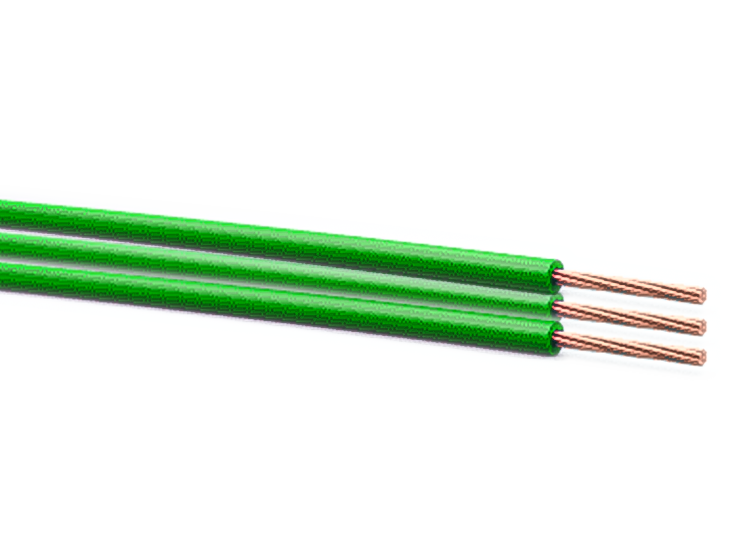
The images depict typical cable applications. Senor supplies the CuSn0.3 bare conductor wire used in these systems
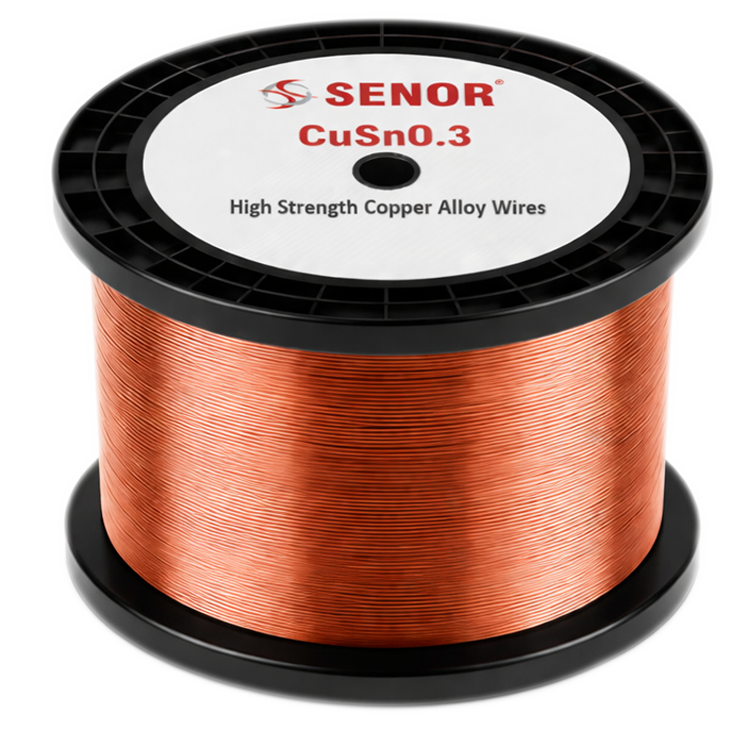
The Rise of High-Strength Copper Alloys : Why Cable Manufacturers Are Moving Beyond Pure Copper
Meeting the Demands of Higher Temperatures, Smaller Conductors and Longer Service Life
For decades, pure copper has been the preferred conductor material for electrical cables due to its excellent electrical conductivity.
The rapid growth of electric vehicles, high-density electronics, advanced transportation systems, and compact electrical equipment is creating new challenges for cable designers.
Modern cables must carry higher currents, withstand higher temperatures, endure continuous vibration, and fit into increasingly compact spaces.
This shift is accelerating due to several global trends:
- Electric vehicle adoption: Lightweight, high-performance wiring systems are needed to withstand heat and vibration.
- Miniaturization of electrical systems: Smaller cables must carry higher loads, increasing mechanical stress.
- Higher operating temperatures: Modern engines, electronics, and industrial equipment operate under more demanding thermal conditions.
- Rising cost of failure: Cable failures can lead to safety risks, costly downtime, and warranty expenses, making reliability as important as conductivity.
These evolving requirements are driving manufacturers to look beyond conductivity alone and adopt copper alloys that offer a more balanced combination of electrical and mechanical performance.
The industry trend is now clear:
A small reduction in conductivity is acceptable if it results in significantly higher durability and reliability.
The Limitations of Pure Copper
Pure copper mechanical properties can become limiting in demanding applications.
Under elevated temperatures and mechanical stress, pure copper may experience:
- Reduced tensile strength, lower fatigue resistance, increased creep deformation, faster softening during service and reduced durability in vibration-intensive environments
As conductor sizes become smaller and operating conditions become more severe, these limitations can affect long-term reliability.
CuSn0.3 : A Copper Alloy Engineered for Strength, Durability and Efficiency
A effective way to improve copper’s mechanical performance is through controlled alloying. CuSn0.3, containing approximately 0.3% tin, significantly increases strength and thermal stability while retaining high electrical conductivity.
Why CuSn0.3 Is Gaining Industry Acceptance
As manufacturers increasingly prioritize durability and reliability alongside conductivity, CuSn0.3 has emerged as an attractive solution, offering a well-balanced combination of electrical and mechanical properties for demanding cable applications. Compared with pure copper, CuSn0.3 offers : Higher Mechanical Strength, Better Softening Resistance, Improved Fatigue Resistance ,Superior Creep Resistance and Excellent Conductivity Retention
The Growing Importance of Thermal Stability
A key advantage of CuSn0.3 is its improved recrystallization resistance. The addition of tin delays softening at elevated temperatures, helping the conductor retain strength and mechanical integrity better than pure copper. This makes it well-suited for applications with prolonged heat exposure, as thermal stability is becoming an increasingly critical material selection factor across industries.
Industries Driving Demand for High-Strength Copper Alloys
The adoption of CuSn0.3 is accelerating across a variety of sectors, including:
- Automotive Wiring Harnesses
- Electric Vehicle (EV) Cables
- Railway and Metro Systems
- High-Temperature Appliance Wiring
- Communication and Electronic Cables
- Defence Applications
The Future of Cable Conductors
The future of cable manufacturing lies in enhancing copper. As electrical systems become more compact and demanding, alloys such as CuSn0.3 provide the optimal balance of conductivity, strength, thermal stability, and durability. For manufacturers seeking higher performance without compromising electrical efficiency, CuSn0.3 offers a practical and proven alternative to pure copper
For more information on CuSn0.3 copper alloy products, visit Click Here
